

What the heck is a Brenzier? Well, Brenzier is actually the last name of photographer Ryan Brenzier, the man who popularized a technique that now bears his namesake. In reality, The Brenzier Method is less of a method and more of an “mosaic,” a compilation of images stitched together to form a final product. But unlike the typical landscape photos that benefit from stitching, squeezing in more scene to create sprawling panoramas, The Brenzier Method strives for compression. Read on to learn more, or if you would rather just skip all the boring photo speak, feel free to do so now.
More images after the break…Seriously, last chance to miss the technical jargon.
Alright, but I warned you. The Brenzier Method is a way to achieve a wide-angle field of view, with an extremely shallow depth of field. But wait, you say, can’t you achieve do that that with medium format? Actually yes, but shit, then I wouldn’t have a new photo experiment to try! So back to the method. Normally, with a wide-angle lens, you need position the lens close to your subject in order to throw the background into gooey bokeh (if you’ve made it this far you are in too deep, I gave you your chance, so suck it up). It’s just the way wide angles work. In order to achieve the magical pairing of shallow depth of field and a wide field of view, Brenzier discovered a work around. Instead of shooting the scene with one a wide lens and settling, Brenzier shot multiple images with longer, faster lenses. Confused yet? Well I’ll explain.
Check out the scene below,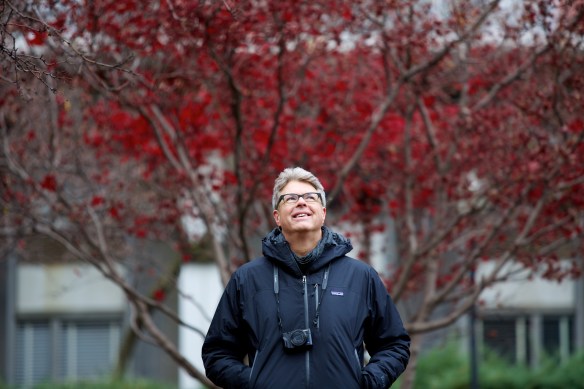 What a cutie right? Ok, back on topic. This is exactly the look we are going for, an isolated subject against a nice out of focus background, but it isn’t wide angle. On its own, its a positively lovely image, but its more portrait than wide angle. That’s because the long 200m lens compresses space, flattening the image and eliminating much of the surrounding environment. But it’s that very compression that renders the image so beautifully (in combination with a large aperture), so how can we incorporate the favorable “look” of a longer lens with the perspective of a wide-angle? Holy crap you’re smart, The Brenzier Effect! Instead of taking just one photo, take a range of photos (in this case we went overboard and took 200! Normally 20-50 will do) that covers the field of view you are looking for, and let photoshop do the stitching legwork later. Keeping exposure (white balance, shutter, aperture, iso) constant while shooting ensures continuity across the image, and locking focus on the subject ensures that the oh-so-desirable depth of field remains present in the final composite. The only thing left is to visualize how wide you want your final frame to be, then methodically canvas the…er…canvas to achieve proper coverage. After merging your files, hopefully less than my computer crashing 200, the results are pretty stunning. Check out the final images below, preferably in full size for full effect.
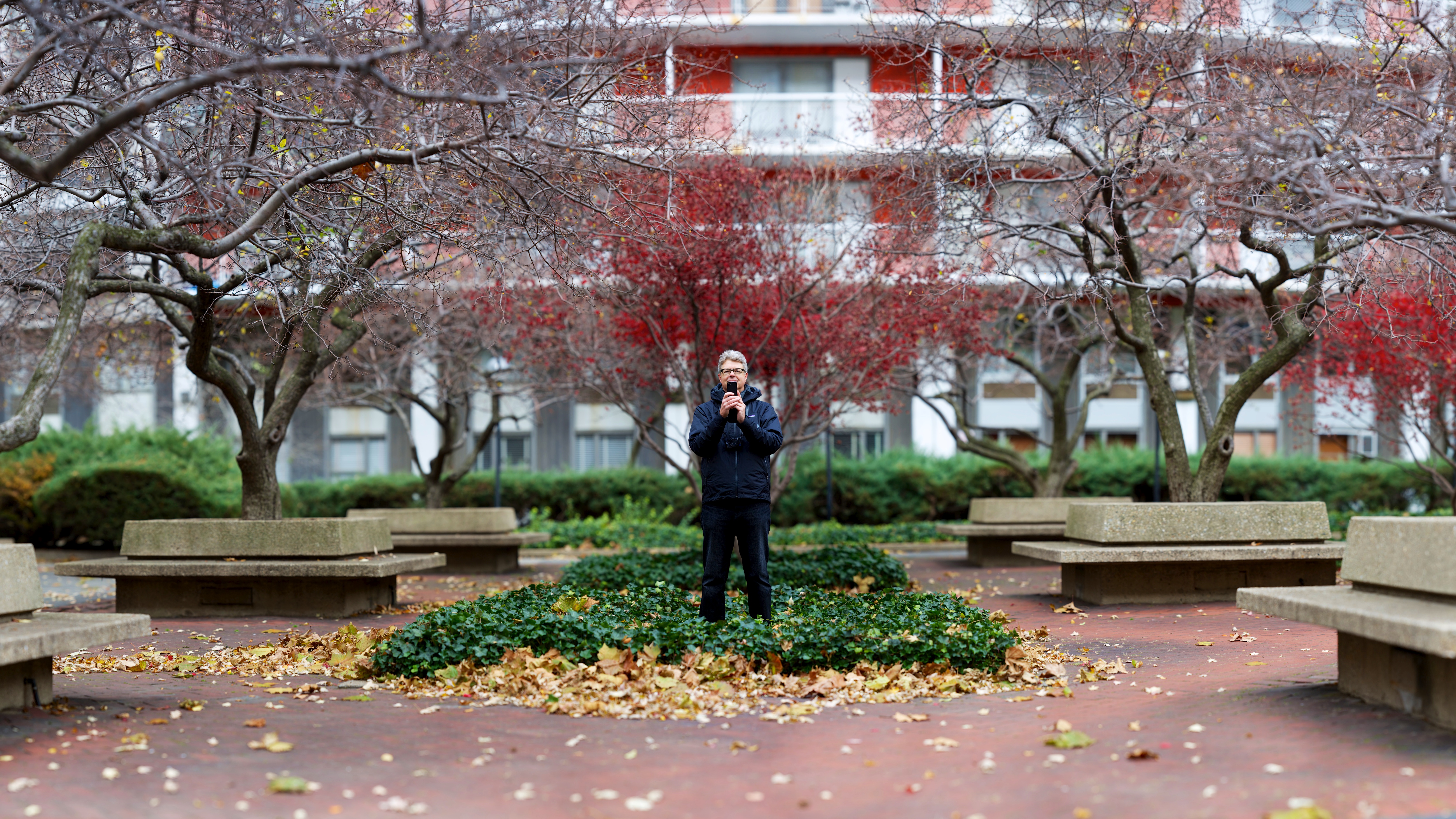
Still confused? Check out this article for a more detailed step-by-step description. Or better yet, just enjoy my first experiments with “The Method.”
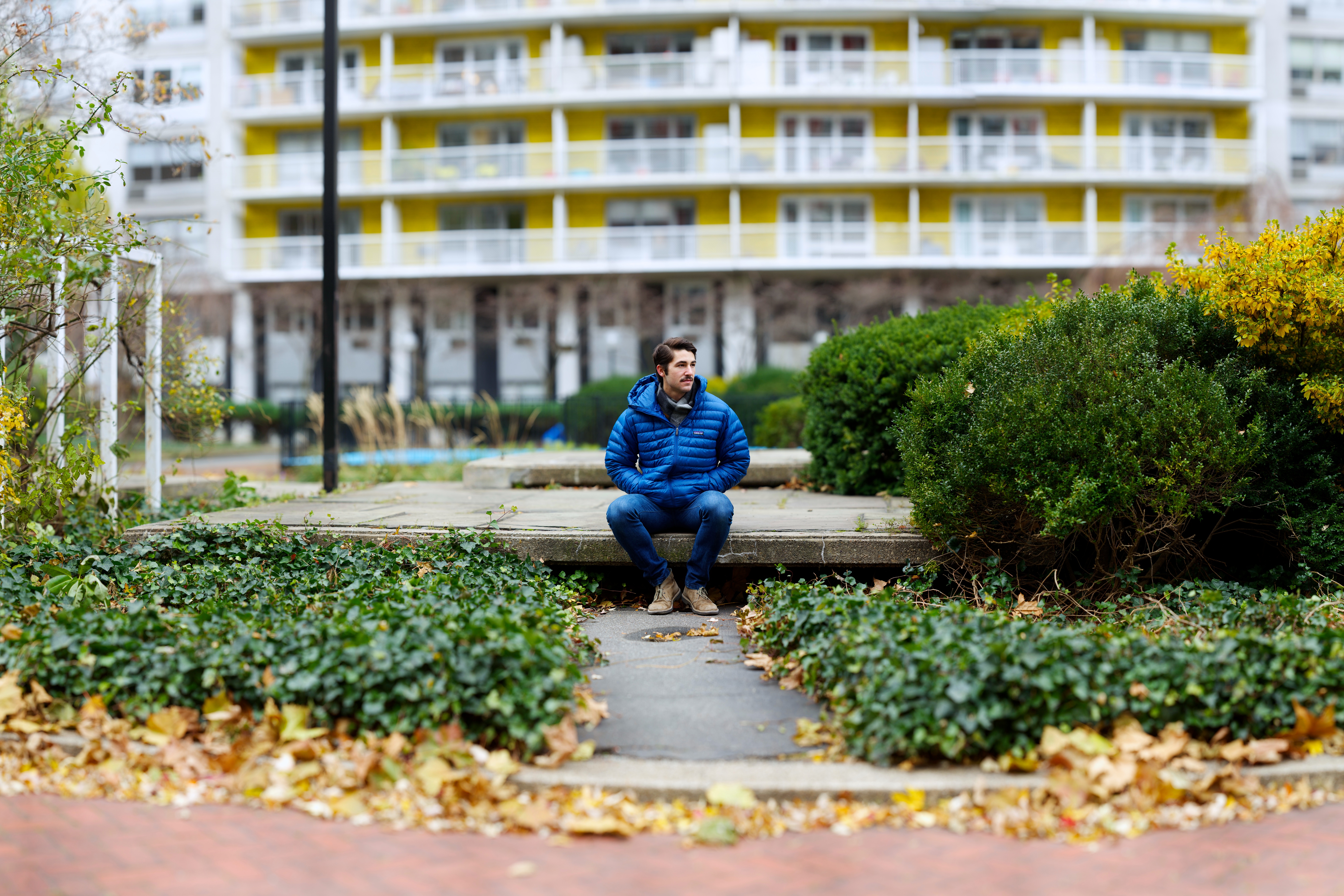
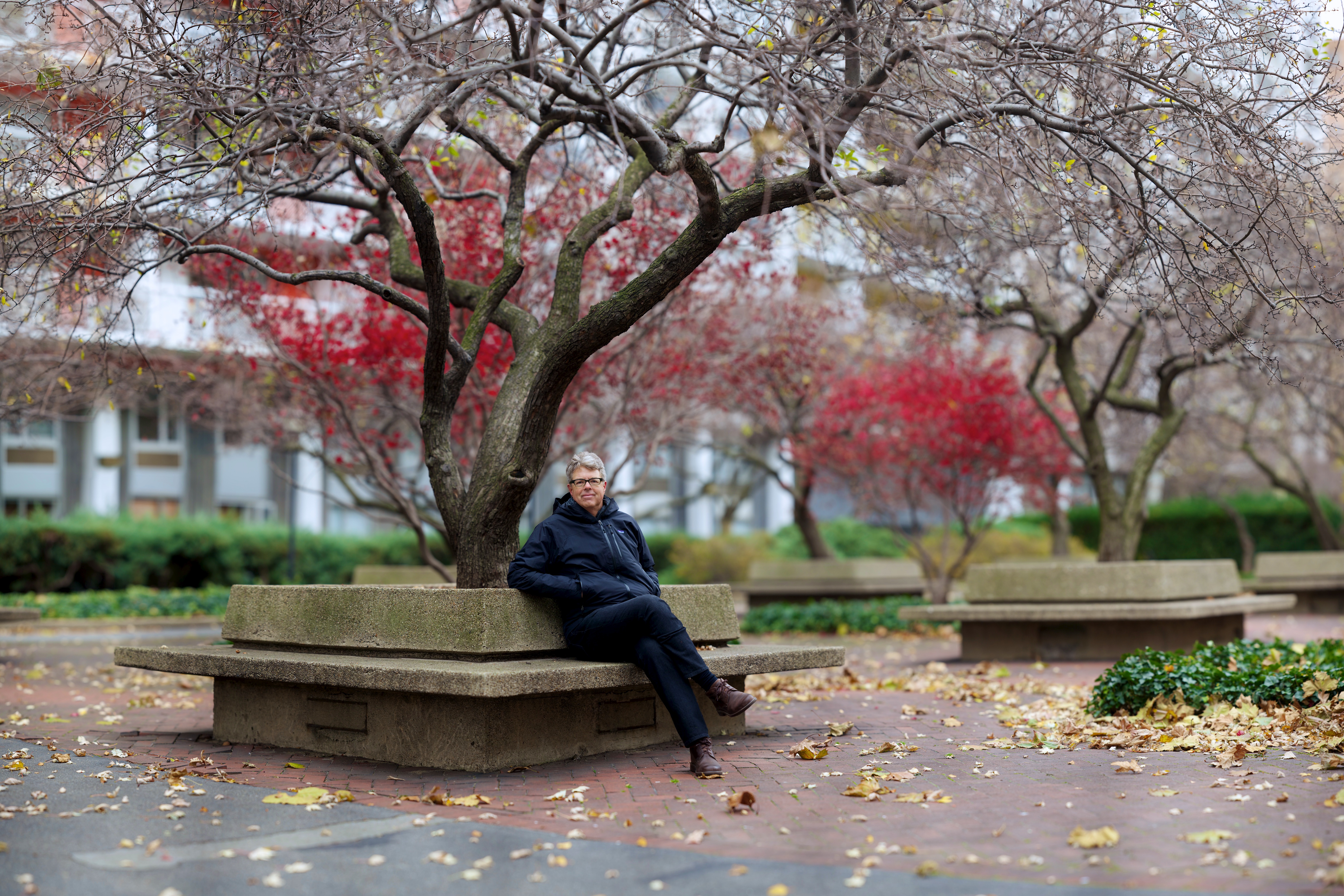
You can actually achieve this effect with any lens, though obviously faster lenses work best. The following two were made with the 50 1.2
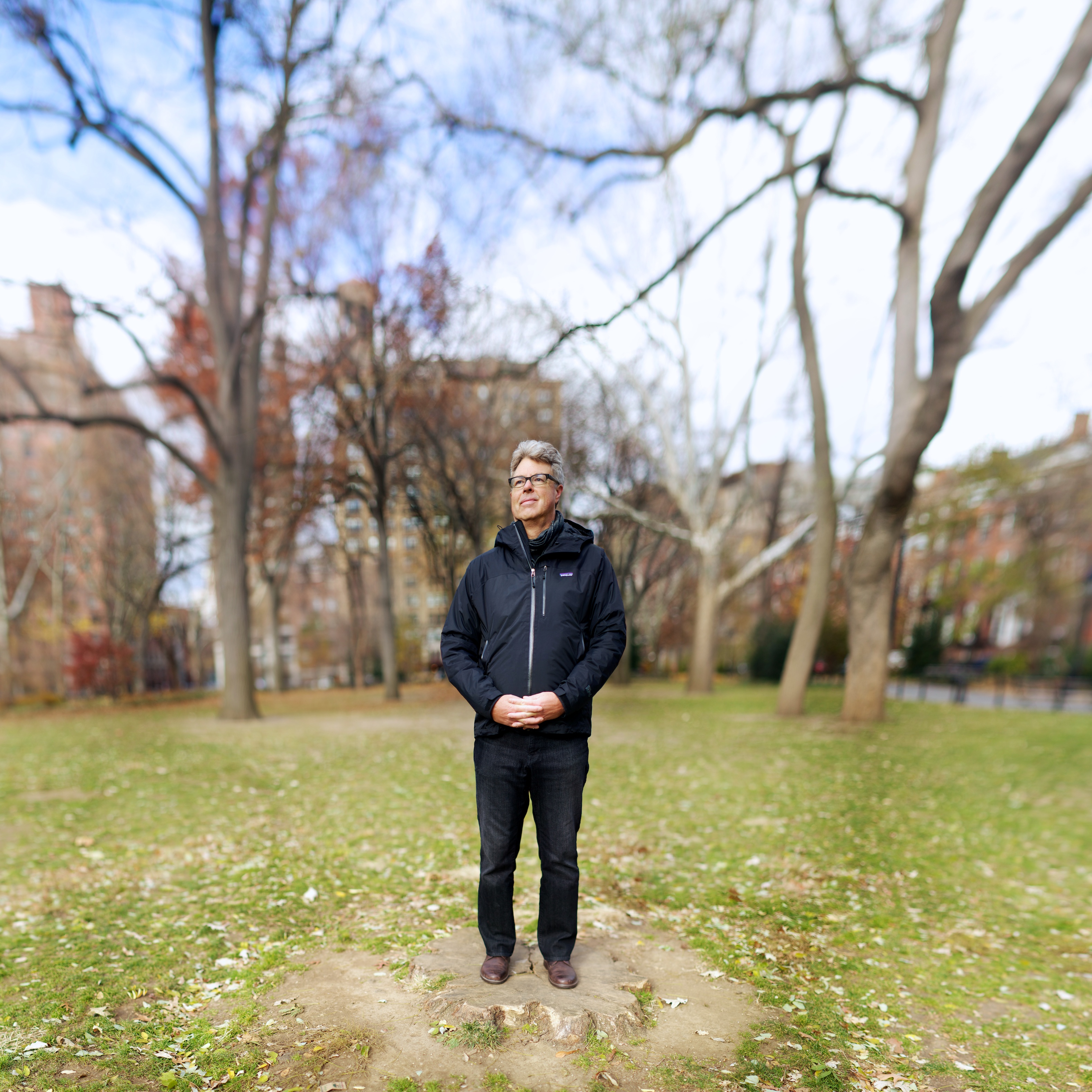
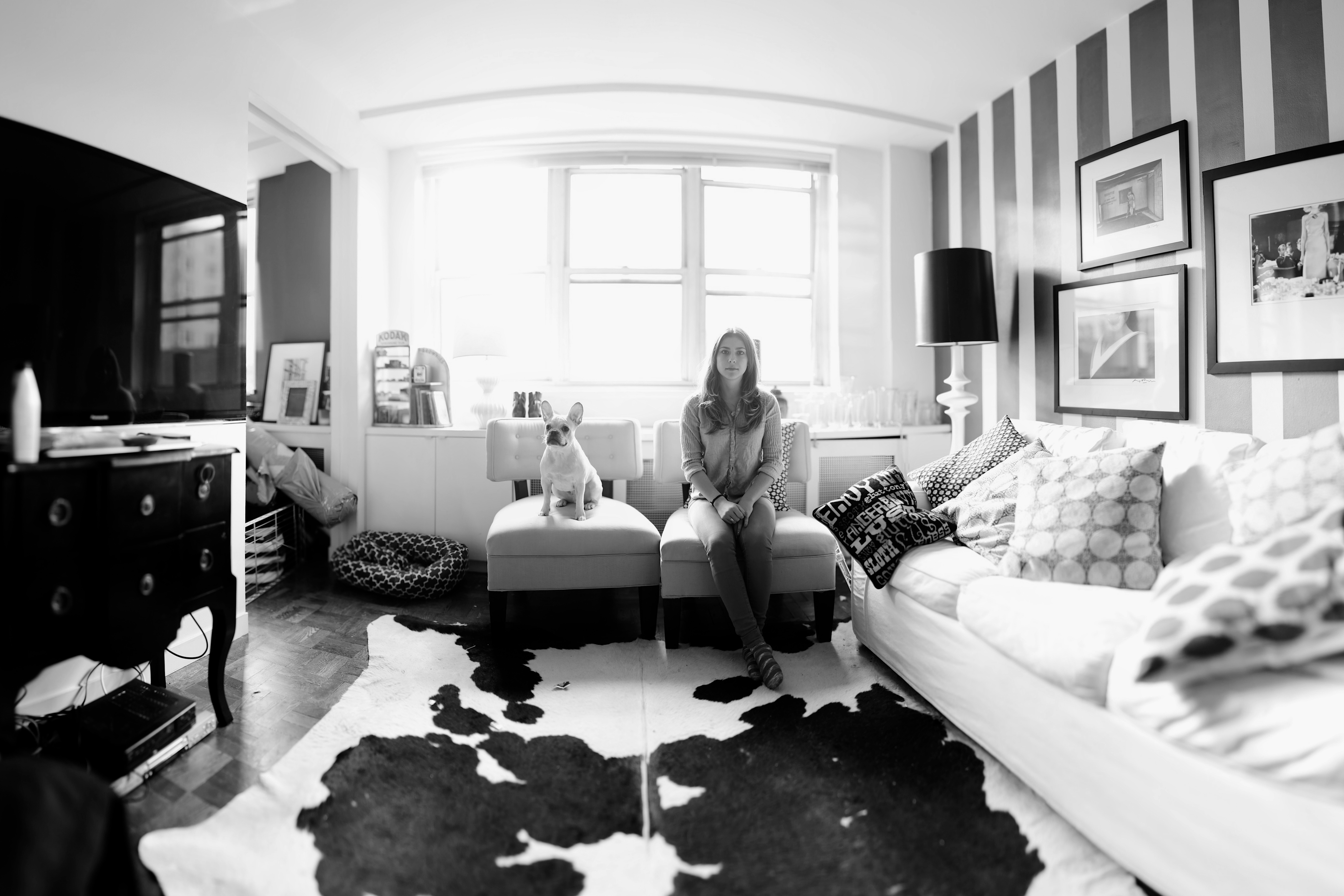
Special thanks to Robly for trekking out in the freezing cold to try this thing for the first time. After getting over the initial learning curve, I have gotten better at using less shots to achieve the same effect. Though admittedly a niche application, I’ll be the first to admit that I love the look, and I can see myself breaking out the Brenzier on special occasions.
 [gwu] Graham Whitaker Unterberger
Great job Graham, they turned out so great. Love the one with Annie and Olie. How did you get Olie to sit for so long? Nicely done my friend!! Again, so sorry that the one of the in WSP was out of focus 😦
Thanks man, I couldn’t have done it without you. For the Ollie picture, it was a bit tough to get him to sit still, but once he did I made sure to fire off enough quick frames to create the illusion that he was still. In reality, we all know this cannot have been the case. And dont worry about the WSP photo, as Lauren will happily tell you I have my own problems with focus…